
September 20, 2026
iseinsagency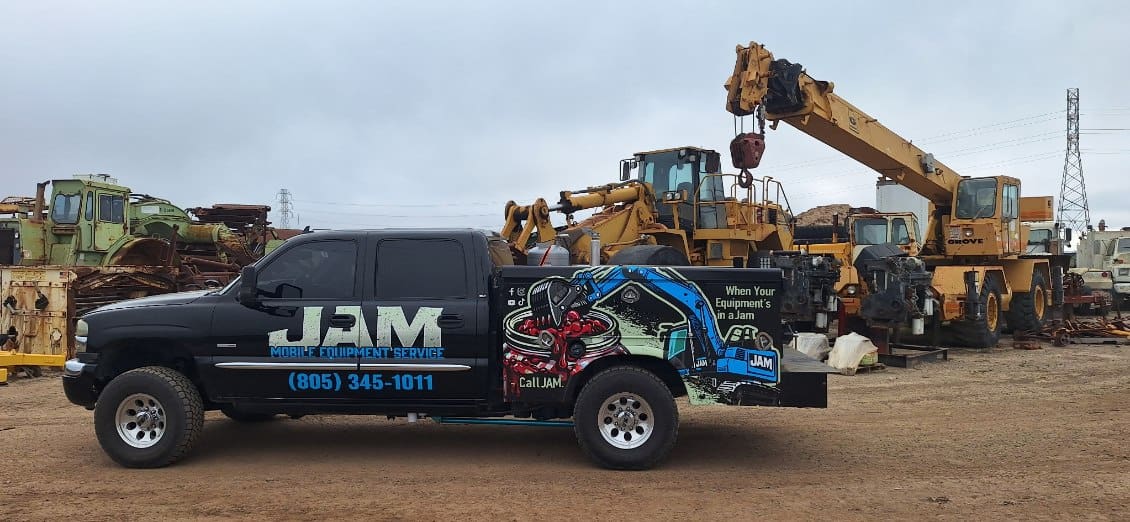
How to Shop for Business Insurance for a Mobile Mechanic or Service Truck Business
A Practical Guide for Mobile Diesel Repair, Heavy Truck Repair & Mobile Equipment Service Companies
By Mike Vanlue | ISE Insurance Services
35+ Years of Commercial Insurance Experience
Shopping for business insurance for a mobile mechanic, mobile diesel repair company, service truck operation, heavy truck repair business, or mobile equipment repair company can be more complicated than it first appears.
The reason is simple:
Not every insurance company understands these businesses, and not every commercial insurance policy is designed for the way they actually operate.
A mobile mechanic may work at customer locations, fleet yards, construction sites, farms, warehouses, roadsides, or industrial facilities. Service trucks can carry tens of thousands of dollars in tools and diagnostic equipment. Technicians may road-test customer vehicles. Some businesses weld, repair hydraulic systems, work on Class 8 trucks, service heavy equipment, or cross state lines.
Those details matter.
At ISE Insurance Services, working alongside Garage Sentinel Insurance Solutions, we specialize in helping commercial repair businesses understand those differences before they select an insurance program.
Together, our teams bring more than 50 years of combined commercial insurance experience, and we currently serve eligible businesses across approximately 46 states.
If you are shopping for insurance for the first time, comparing a renewal, or simply wondering whether your current policy properly matches your business, this guide explains what we believe you should consider.
What Is Mobile Mechanic Insurance?
Mobile mechanic insurance is a combination of commercial insurance coverages designed around businesses that repair vehicles or equipment at customer locations, roadsides, fleet yards, construction sites, farms, or other off-site locations.
Depending on the operation, coverage may include:
- Garage Liability or General Liability
- Garagekeepers Insurance
- Commercial Auto Insurance
- Inland Marine coverage for tools and equipment
- Workers’ Compensation
- Excess or Umbrella Liability
The exact insurance program depends on what the business repairs, where the work is performed, the service trucks and drivers involved, whether customer vehicles are in the business’s care, tool and equipment values, employee exposure, operating radius, and customer contract requirements. For a broader explanation of the coverages commonly considered by mobile repair businesses, see our Complete Mobile Mechanic Insurance Guide.
Quick Answer: What Should a Mobile Mechanic Look for When Shopping for Insurance?
When shopping for mobile mechanic insurance, mobile diesel mechanic insurance, service truck insurance, or heavy equipment mechanic insurance, start by finding an insurance professional who understands your actual operations and has access to insurance companies that write your type of business.
Then compare more than price.
Review:
- Garage Liability or General Liability
- Garagekeepers Insurance
- Commercial Auto Insurance
- Inland Marine coverage for tools and equipment
- Workers’ Compensation
- Excess or Umbrella Liability
- Driver restrictions
- Operating radius
- Welding or heavy-equipment limitations
- Customer contract requirements
- Policy exclusions
- Deductibles
- Carrier appetite for your actual work
Most importantly, make sure the insurance company is being told exactly what your business does.
A good insurance program starts with an accurate description of the operation.
In Business for Years or New in Business? You Do Not Necessarily Need Prior Insurance to Start
One question we hear regularly is:
“Can I get insurance if this is a new business or I don’t have prior insurance?”
In many cases, yes.
Not every insurance company will write a new venture, but there are insurance markets that will consider businesses without prior commercial insurance.
For a new mobile mechanic or service truck company, an underwriter may want to know:
- How many years of industry experience you have
- What type of repair work you have performed previously
- What vehicles or equipment you will service
- Whether the operation will be mobile, shop-based, or both
- Your projected annual sales
- Expected payroll
- Number of employees
- Service trucks and other vehicles
- Driver information
- Tool and equipment values
- Operating radius
- Whether you perform welding
- Whether you road-test customer vehicles
- Whether customers will leave vehicles in your care
- Whether you already have contracts requiring particular insurance
Being a new business is different from being inexperienced.
A mechanic with 15 or 20 years of diesel experience who has just formed a company presents a very different underwriting picture from someone entering the industry for the first time.
A knowledgeable broker should help explain that story to the insurance company.
Ready to get Started?
Contact ISE Insurance Services — Choose the Method That Works Best for You
Whether you are starting a new business, shopping a renewal, or looking for a second opinion, you can begin whichever way is easiest.
Option 1 — Quick Contact Form
Send us your basic information and let our team follow up.
Use our ISE Quick Contact Form – Click here
You do not need to have every insurance detail ready before contacting us.
Option 2 — Complete the Mobile Mechanic / Service Truck Information Form
If you prefer to provide the business information yourself, use our dedicated mobile mechanic and service truck intake form.
Fill out our Mobile Mechanic / Service Truck Insurance Form – Click here
Complete as much as you can.
If you do not know every answer, do not let that stop you from sending the form. Our team can help fill in the missing pieces with you.
Option 3 — Start by Phone
Garage Sentinel Insurance Solutions Automated Attendant
(888) 977-1695 — Available 24/7
You can begin the process with our automated attendant, provide your initial information, request that a form be sent to you, or request follow-up from our team.
Prefer to Call ISE Directly?
ISE Insurance Services
(888) 945-1495 Ext. 101
If we are helping another client when you call, please leave your:
- Name
- Business name
- Phone number
- State
- Brief description of what your business does
We will return your call as quickly as possible.
1. Start by Clearly Defining What Your Business Actually Does
One of the biggest mistakes when shopping for insurance is describing the business too broadly.
Simply telling an insurance agent:
“I’m a mechanic.”
does not provide enough information.
Neither does:
“I do mobile repair.”
Two businesses can both call themselves mobile mechanics while presenting completely different insurance exposures.
One may perform:
- Batteries
- Diagnostics
- Alternators
- Starters
- Minor roadside repairs
Another may:
- Rebuild diesel engines
- Repair heavy truck transmissions
- Work on Class 7 and Class 8 trucks
- Repair excavators and loaders
- Work on hydraulic systems
- Weld
- Perform fleet maintenance
- Road-test customer trucks
- Work at construction sites
- Travel several hundred miles for service calls
Those are very different businesses from an insurance underwriting standpoint.
Tell your broker:
What you repair
- Passenger vehicles
- Light trucks
- Medium-duty commercial vehicles
- Heavy trucks
- Tractor-trailers
- Construction equipment
- Agricultural equipment
- Forklifts
- Industrial equipment
- RVs
- Trailers
- Fleet vehicles
What work you perform
- Diagnostics
- Mechanical repair
- Diesel repair
- Engine repair
- Transmission repair
- Hydraulic repair
- Tire service
- Welding
- Fabrication
- Roadside service
- Preventive maintenance
- Fleet maintenance
- Emergency repair
Where you perform the work
- Customer locations
- Fleet yards
- Roadsides
- Construction sites
- Farms
- Warehouses
- Industrial facilities
- Your own shop
Insurance companies underwrite what you actually do, not merely the title on your business card.
2. Do Not Minimize Your Operations Just to Obtain a Lower Quote
Accuracy matters.
If your business repairs heavy trucks, disclose heavy truck repair.
If you work on construction equipment, disclose it.
If you weld, disclose it.
If employees road-test vehicles, disclose it.
If your service trucks cross state lines, disclose it.
We recently spoke with a prospect who told us that a previous insurance carrier had cancelled coverage after alleging fraud or material misrepresentation regarding the business operations.
We were not involved with that placement and cannot independently determine what occurred.
But the broader lesson is important:
An insurance application should accurately describe the business the insurance company is being asked to insure.
A lower premium does not help if it was based on an inaccurate description of your operation.
3. Work With Someone Who Understands This Industry
There are many very good insurance agents.
But commercial insurance has become increasingly specialized.
An agent who primarily handles restaurants, office buildings, contractors, or personal insurance may not regularly deal with:
- Garage Liability
- Garagekeepers
- Service trucks
- Heavy truck repair
- Mobile diesel repair
- Heavy equipment mechanics
- Mobile welding
- Commercial Auto driver restrictions
- Customer vehicles in your care
- Tools constantly moving between jobsites
That does not make the agent a bad insurance professional.
It may simply mean your business falls outside their normal specialty.
A Recent Example
We recently received a mobile equipment repair account that was actually owned by another insurance agent.
The agent had not unsuccessfully shopped the account everywhere else first.
Instead, the agent recognized that the business required market access and expertise outside their normal practice and asked a specialist to assist.
We view that as good professional judgment.
Sometimes knowing when to involve a specialist is one of the most valuable things an insurance professional can do.
For more on why these operations often require specialized insurance markets, see:
Specialized Insurance for Mobile Mechanics, Service Trucks & Heavy Equipment Repair Businesses
4. Make Sure Your Broker Has Access to Insurance Companies That Actually Write Your Business
Knowledge is important.
Market access is equally important.
Not every insurance company wants to insure every type of repair business.
Some carriers may prefer:
- Light automotive repair
- Fixed-location repair shops
- Smaller service operations
Others may be more comfortable with:
- Mobile diesel mechanics
- Heavy truck repair
- Fleet maintenance
- Equipment mechanics
- Service truck businesses
- Heavy equipment repair
- Complex garage risks
An independent insurance agency may have access to multiple insurance companies and specialty programs rather than being limited to one carrier.
That can matter significantly.
Sometimes the least expensive policy is the right policy.
Sometimes it is not.
The important thing is understanding what you are comparing.
5. Understand Garage Liability and Garagekeepers — They Are Not the Same Thing
This is one of the most misunderstood areas of garage insurance.
Garage Liability / General Liability
Garage Liability or General Liability can address certain covered bodily injury and property damage claims arising from the operation of the business.
Products & Completed Operations can also be particularly important for repair businesses because a claim may occur after the repair has been completed.
Garagekeepers Insurance
Garagekeepers addresses a different exposure.
It may apply to covered customer autos entrusted to the business for:
- Service
- Repair
- Storage
- Safekeeping
Depending on the policy and insurance company, Garagekeepers may be written on a:
- Legal Liability
- Direct Primary
- Direct Excess
basis.
One concept we regularly emphasize is:
Possession Creates Exposure
When a customer’s vehicle is in your care, the insurance issue may change.
That is why Garage Liability and Garagekeepers should not automatically be treated as interchangeable coverages.
For a more detailed explanation, read:
Mobile Mechanic Insurance Explained: Garage Liability, Garagekeepers & Care, Custody and Control
6. Review Commercial Auto Insurance Carefully
For many mobile mechanics, the service truck is the center of the business.
That makes Commercial Auto one of the most important parts of the insurance program.
When comparing Commercial Auto proposals, review:
- Liability limits
- Covered auto symbols
- Scheduled vehicles
- Comprehensive coverage
- Collision coverage
- Hired Auto
- Non-Owned Auto
- Uninsured / Underinsured Motorist where applicable
- Operating radius
- Interstate operations
- Driver eligibility
- Driver exclusions
- Named-driver or named-operator restrictions
One of the most important questions to ask is:
Who is actually allowed to drive this vehicle under this policy, and what happens if someone else drives it?
Do not assume that because someone works for your company and has a valid driver’s license they automatically satisfy the policy’s driver requirements.
7. Insure the Tools and Equipment That Make Your Business Possible
A service truck can contain a substantial investment in:
- Hand tools
- Diagnostic scanners
- Computers
- Welders
- Air compressors
- Generators
- Hydraulic equipment
- Specialty tools
- Mobile repair equipment
- Parts and supplies
Commercial Auto coverage generally protects covered vehicles.
It should not automatically be assumed to insure everything carried inside them.
Inland Marine Insurance is commonly used to insure tools and equipment that travel with the business.
When comparing coverage, consider:
- Total tool value
- Individual high-value items
- Deductible
- Theft limitations
- Where equipment is covered
- Whether equipment must be scheduled
- Valuation method
A $50,000 tool inventory deserves more than a guess.
8. Understand Actual Cash Value vs. Replacement Cost
Valuation can materially affect a claim.
Replacement Cost and Actual Cash Value are not the same thing.
A policy that settles damaged property on an Actual Cash Value basis may account for depreciation.
That can create a significant difference between:
- What it costs to replace the damaged property today
and
- What the insurance policy actually pays after applying the policy’s valuation provisions.
This deserves particular attention for:
- Service trucks
- Permanently mounted equipment
- Compressors
- Generators
- Welders
- Specialized diagnostic equipment
- Expensive mechanic tools
Do not evaluate a proposal based solely on the policy limit.
Ask how covered property will be valued if there is a loss.
9. Tell the Broker About Welding and Hot Work
Many diesel mechanics and heavy equipment technicians weld.
Welding does not necessarily prevent a business from obtaining insurance.
But it can influence which insurance companies are appropriate.
Tell the broker:
- Whether you weld
- How frequently
- Whether welding is incidental to repair
- Whether you fabricate
- Whether you weld frames
- Where welding takes place
- What types of vehicles or equipment are involved
Some carriers have very specific restrictions regarding welding.
Finding that out before a claim is preferable to finding it in an exclusion afterward.
10. Discuss Road Testing
If you repair a customer vehicle and then drive it to determine whether the repair was successful, tell your broker.
This is common.
It is also an exposure that should be understood.
Questions may include:
- Who performs test drives?
- How far are vehicles driven?
- Are heavy trucks road-tested?
- Are technicians properly licensed?
- Are CDL-required vehicles involved?
- Does the policy contemplate the activity?
Do not assume.
Ask.
11. Disclose Towing, Hauling and Transporting Customer Property
Some repair businesses occasionally:
- Tow vehicles
- Move disabled equipment
- Transport customer vehicles
- Haul equipment
- Carry customer property
- Store a customer’s vehicle overnight
Those activities may create additional insurance exposures.
If you do them — even occasionally — disclose them.
12. Discuss Pollution and Fluid-Spill Exposures
Mechanics work around:
- Diesel fuel
- Gasoline
- Engine oil
- Hydraulic fluid
- Coolant
- Transmission fluid
- Batteries
- Other automotive chemicals
Many standard liability policies contain pollution exclusions.
Depending on the operation, a limited pollution endorsement or separate pollution insurance may be appropriate to discuss.
This can become particularly important when performing mobile repairs at someone else’s property.
13. Give Your Broker Customer Insurance Requirements Before Coverage Is Bound
This is especially important for businesses working for:
- Fleets
- Contractors
- Municipalities
- Equipment dealers
- Warehouses
- Property owners
- National accounts
Customer contracts may require:
- Additional Insured status
- Additional Insured — Ongoing Operations
- Additional Insured — Completed Operations
- Primary & Non-Contributory wording
- Waiver of Subrogation
- Specific Commercial Auto limits
- Workers’ Compensation
- Excess or Umbrella limits
Not every insurance company can provide every endorsement.
That is why we strongly recommend submitting customer requirements before selecting and binding the policy whenever possible.
Have a Contract or Insurance Requirement You Don’t Understand?
Send it with your quote information.
It is much easier to identify a problem before coverage is placed than after the customer asks for a certificate the policy cannot support.
14. A Certificate of Insurance Does Not Rewrite the Policy
Certificates of Insurance are important.
But a COI is generally evidence of insurance.
It does not independently create coverage that the policy does not provide.
If a customer requires a specific endorsement, the policy should support that endorsement.
Typing language onto a certificate does not automatically change the insurance contract.
Ultimately, the actual policy and endorsements control.
15. Compare the Coverage — Not Just the Premium
Assume you receive three proposals.
One is $8,000.
One is $9,500.
One is $11,000.
The least expensive policy may be the right choice.
But the premium alone does not tell you that.
Compare:
- Liability limits
- Garagekeepers limits
- Garagekeepers coverage basis
- Commercial Auto coverage
- Tool coverage
- Deductibles
- Driver restrictions
- Operating radius
- Heavy truck restrictions
- Heavy equipment restrictions
- Welding limitations
- Additional Insured options
- Waivers
- Umbrella availability
- Policy exclusions
- Valuation provisions
A proposal should be evaluated as an insurance contract, not simply as a price quote.
16. Ask What the Policy Does NOT Cover
Most insurance discussions focus on what is covered.
A very useful question is:
“What restrictions or exclusions in this policy could affect the way I actually operate?”
Ask specifically about:
- Heavy trucks
- Heavy equipment
- Welding
- Mobile operations
- Road testing
- Towing
- Interstate travel
- Operating radius
- Drivers
- Customer property
- Pollution
- Contract requirements
Understanding the limitations can be every bit as important as understanding the coverage.
17. Provide Accurate Vehicle and Driver Information
Commercial Auto underwriting can change significantly based on:
- Vehicle type
- GVWR
- Vehicle value
- Radius
- Territory
- Driver age
- Driving history
- CDL requirements
- Prior accidents or violations
List the people who may actually operate the vehicles.
Do not wait until after the policy is issued to discover that a regular driver was never disclosed.
18. Be Accurate About Employees, Payroll and Subcontractors
Workers’ Compensation and some commercial insurance policies may be subject to audit.
Provide realistic information regarding:
- Owners
- Mechanics
- Drivers
- Office staff
- Part-time employees
- Payroll
- 1099 workers
- Subcontractors
If subcontractors are used, discuss:
- What work they perform
- Whether they carry their own insurance
- Whether Certificates of Insurance are collected
- Whether contracts are used
Trying to artificially reduce payroll to obtain a lower initial premium can create problems when the policy is audited.
19. Loss Runs Matter — But the Story Behind the Losses Matters Too
Many insurance companies will request prior loss runs.
If you have had claims, provide them.
But also explain them.
Underwriters may want to know:
- What happened?
- Was the claim preventable?
- What changed afterward?
- Is the employee still with the company?
- Was equipment replaced?
- Were procedures changed?
- Was additional training implemented?
A good insurance submission does not simply hide unfavorable information.
It gives the underwriter enough context to understand it.
20. Real Claims Are Rarely Simple
One of the reasons we spend so much time discussing coverage structure is that real claims rarely fit neatly into one sentence.
A repair error can potentially lead to:
- Damage to the customer vehicle
- Damage to other property
- Bodily injury
- Towing
- Recovery
- Downtime
- Loss-of-use allegations
- Multiple parties
- Multiple insurance policies
A claim we have encountered involved a heavy truck following transmission repair.
A bearing failed less than 100 miles after the truck left the repair facility.
The resulting failure caused catastrophic engine damage.
The truck became disabled on the freeway while hauling livestock.
What followed involved issues including:
- Towing
- Recovery
- Livestock transportation
- Extensive engine repairs
- Customer downtime
What began as a repair developed into a much more complex loss.
That is exactly why we encourage business owners to understand how their insurance policies are intended to work before the claim happens.
21. Think About Where the Business Will Be Next Year
Do not only insure the business you have today.
Tell your broker if you expect to:
- Add another service truck
- Hire employees
- Expand into another state
- Begin heavy truck repair
- Start servicing heavy equipment
- Add welding
- Open a repair facility
- Purchase expensive equipment
- Sign a fleet-maintenance contract
A policy that works for today’s operation but cannot accommodate tomorrow’s business can create unnecessary disruption.
22. Start Renewal Discussions Early
For specialized commercial insurance, we generally recommend beginning the review process approximately 60–90 days before renewal.
That allows time to:
- Obtain loss runs
- Update vehicles
- Review drivers
- Update payroll
- Review sales
- Review operations
- Update tool values
- Review customer contracts
- Approach appropriate markets
- Compare proposals carefully
Waiting until the final few days can reduce your options.
Why Specialized Insurance Experience Matters
If you have made it this far, you have probably noticed something.
We have spent relatively little time talking about price.
That is intentional.
Price matters.
But commercial insurance for mobile mechanics, diesel repair businesses and service truck operators involves more than finding the lowest number.
Two businesses may both call themselves mobile mechanics while presenting dramatically different underwriting exposures.
That is why the first step should not be recommending a policy.
The first step should be understanding how the business actually operates.
Experience Matters
I have spent more than 35 years working in commercial insurance, and one lesson has remained consistent:
The details matter.
Insurance companies change.
Underwriting appetites change.
Policy forms change.
Endorsements change.
Exclusions change.
But the need to properly understand the business before placing coverage does not.
At ISE Insurance Services, working alongside our specialty company Garage Sentinel Insurance Solutions, our team brings more than 50 years of combined commercial insurance experience.
Our focus includes businesses such as:
- Mobile mechanics
- Mobile diesel mechanics
- Service truck operators
- Heavy truck repair businesses
- Heavy equipment repair companies
- Construction equipment mechanics
- Agricultural equipment mechanics
- Fleet maintenance operations
- Tire businesses
- Mobile RV repair
- Commercial garage businesses
We have seen where insurance programs work well.
We have also seen where misunderstandings become expensive.
That experience affects the questions we ask before a policy is written.
Why Access to Multiple Insurance Markets Matters
Not every carrier has the same underwriting appetite.
That matters in a specialized industry.
Working with an independent agency allows us to consider multiple insurance markets, subject to the business, state, underwriting requirements and availability.
The goal is not simply:
“Who will quote this?”
A better question is:
“Which available insurance market is designed to consider the way this business actually operates?”
Those are very different questions.
Serving Eligible Businesses Across Approximately 46 States
ISE Insurance Services and Garage Sentinel Insurance Solutions currently work with eligible commercial clients across approximately 46 states.
Our national footprint allows us to assist many businesses operating in markets such as:
- Texas
- Florida
- California
- Ohio
- Pennsylvania
- Michigan
- Indiana
- Georgia
- North Carolina
- Illinois
as well as many other states within our service territory.
Insurance regulations, underwriting requirements and carrier availability vary by state.
But the core objective remains the same:
Understand the business. Understand the exposure. Then evaluate the insurance options.
Beyond Insurance Policies
Our clients often call us when they are:
- Purchasing another service truck
- Hiring a new technician
- Adding a driver
- Expanding into another state
- Signing a fleet contract
- Buying expensive equipment
- Reviewing Certificates of Insurance
- Adding welding
- Opening a shop
- Trying to determine whether a customer’s insurance requirements can be met
Those conversations matter.
A commercial insurance relationship should not exist only once a year at renewal.
A Better Question to Ask
When shopping for business insurance, the first question is often:
“How much does it cost?”
That is an important question.
But we believe another question should come first:
“How is this insurance program intended to respond if my business has a serious claim?”
That question can change the entire conversation.
Not Sure If Your Current Coverage Fits Your Business?
If you already have insurance and simply want another set of experienced eyes on the program, we are happy to start there.
You can provide:
- Current declarations
- Current premium
- Vehicle schedule
- Driver schedule
- Tool values
- Loss runs
- Customer insurance requirements
We can discuss what you have, how your business operates today, and whether there are areas worth reviewing.
No sales pressure. No obligation. Just a conversation about the coverage and the business.
Contact ISE Insurance Services — Choose the Method That Works Best for You
Whether you are starting a new business, shopping a renewal, or looking for a second opinion, you can begin whichever way is easiest.
Option 1 — Quick Contact Form
Send us your basic information and let our team follow up.
Use our ISE Quick Contact Form – Click here
You do not need to have every insurance detail ready before contacting us.
Option 2 — Complete the Mobile Mechanic / Service Truck Information Form
If you prefer to provide the business information yourself, use our dedicated mobile mechanic and service truck intake form.
Fill out our Mobile Mechanic / Service Truck Insurance Form – Click here
Complete as much as you can.
If you do not know every answer, do not let that stop you from sending the form. Our team can help fill in the missing pieces with you.
Option 3 — Start by Phone
Garage Sentinel Insurance Solutions Automated Attendant
(888) 977-1695 — Available 24/7
You can begin the process with our automated attendant, provide your initial information, request that a form be sent to you, or request follow-up from our team.
Prefer to Call ISE Directly?
ISE Insurance Services
(888) 945-1495 Ext. 101
If we are helping another client when you call, please leave your:
- Name
- Business name
- Phone number
- State
- Brief description of what your business does
We will return your call as quickly as possible.
Mobile Mechanic Insurance Shopping Checklist
Before selecting a policy, ask yourself:
Operations
- What vehicles and equipment do we repair?
- Are we mobile, shop-based, or both?
- Do we repair heavy trucks?
- Do we repair heavy equipment?
- Do we weld?
- Do we road-test?
- Do we tow or transport?
- Do we cross state lines?
Customer Property
- Are customer vehicles left in our care?
- Do we need Garagekeepers?
- Is the limit adequate?
- Is it Legal Liability, Direct Primary, or Direct Excess?
Service Trucks
- Are all vehicles scheduled?
- Are the correct drivers listed?
- Is our radius accurate?
- Is interstate travel disclosed?
- Are there driver restrictions?
Tools
- What are our tools actually worth?
- Are expensive diagnostic tools included?
- Are they covered away from our premises?
- What valuation applies?
Employees
- Is payroll accurate?
- Is Workers’ Compensation required?
- Are subcontractors being handled correctly?
Contracts
- Do customers require Additional Insured status?
- Completed Operations?
- Primary & Non-Contributory?
- Waivers?
- Umbrella?
- Specific Auto limits?
Policy
- What are the major exclusions?
- Are there restrictions that conflict with how we operate?
- Can this insurance program grow with the business?
Frequently Asked Questions
What insurance does a mobile mechanic need?
The answer depends on the business, but common coverages may include Garage Liability or General Liability, Garagekeepers, Commercial Auto, Inland Marine for tools and equipment, Workers’ Compensation, and Excess or Umbrella Liability.
The correct combination depends on your actual operations.
Can a new mobile mechanic business get insurance without prior coverage?
Potentially, yes.
Some insurance companies consider new ventures.
Industry experience, operations, vehicles, drivers, projected revenue, payroll and prior professional experience can all affect underwriting.
What is the best insurance for a mobile diesel mechanic?
There is no single insurance company or policy that is best for every mobile diesel mechanic.
The appropriate market depends on factors including:
- Type of vehicles repaired
- Heavy-truck exposure
- Equipment repair
- Welding
- Service trucks
- Drivers
- Claims
- Radius
- State
- Customer contracts
The objective should be finding an insurance program suited to the actual operation rather than simply selecting a familiar carrier name.
Why should I use an insurance agent who specializes in mobile mechanics?
Specialized agents are more likely to regularly encounter the underwriting, carrier-appetite, Garagekeepers, Commercial Auto, tool coverage, driver, contract, welding, and heavy-equipment issues common to mobile repair operations.
Market access also matters.
Does a mobile mechanic need Garagekeepers Insurance?
Possibly.
If customer vehicles are entrusted to your business for service, repair, storage, or safekeeping, Garagekeepers should be discussed.
Whether and how it applies depends on the policy and the facts of the claim.
What is the difference between Garage Liability and Garagekeepers?
They address different exposures.
Garage Liability or General Liability may address certain covered bodily injury and property damage claims arising from the business.
Garagekeepers may address covered damage to customer autos entrusted to the business.
The actual policy language governs.
Does Commercial Auto cover the tools inside my service truck?
Do not assume that it does.
Mobile tools and equipment commonly require separate Inland Marine coverage.
Does mobile welding affect insurance?
It can.
Different insurance companies have different appetites and restrictions for welding.
Always disclose welding before coverage is placed.
Does my operating radius matter?
Yes.
Commercial Auto insurers commonly evaluate where and how far service trucks travel.
Interstate operations should also be disclosed.
Can I insure one service truck?
Yes, subject to underwriting and market availability.
Many mobile mechanic businesses begin with a single truck.
Should I send my customer’s insurance requirements before buying the policy?
Yes.
Provide customer contract requirements before binding whenever possible so the broker can determine whether the proposed insurance company can provide the required endorsements.
Is the lowest-priced insurance quote the best choice?
Not necessarily.
Compare premium and:
- Coverage
- Limits
- Exclusions
- Deductibles
- Garagekeepers basis
- Driver restrictions
- Tool coverage
- Auto coverage
- Contract endorsement availability
- Carrier appetite
Price is important, but it is only one part of the decision.
When should I begin shopping for renewal?
For a specialized commercial repair operation, starting approximately 60–90 days before renewal generally provides more time to gather information and evaluate available markets.
Additional Mobile Mechanic Insurance Resources
If you are researching this subject before requesting a quote, we recommend starting with these guides.
Complete Mobile Mechanic Insurance Guide
Mobile Mechanic Insurance Explained: Garage Liability, Garagekeepers & Care, Custody and Control
Specialized Insurance for Mobile Mechanics, Service Trucks & Heavy Equipment Repair Businesses
Real Service Trucks. Real Businesses.
We believe educational content about mobile mechanics should reflect the businesses that actually do this work.
That is why we increasingly use real service-truck photos and stories rather than generic stock imagery.
Featured service-truck photo courtesy of JAM Mobile Equipment Service.
Learn more about their operation:
https://jamequipmentservice.com/
We appreciate industry businesses that allow us to highlight the equipment, trucks, and people that keep America’s commercial vehicles and equipment working.
About the Author
Mike Vanlue — ISE Insurance Services
Mike Vanlue has more than 35 years of commercial insurance experience.
Through ISE Insurance Services, and in collaboration with Garage Sentinel Insurance Solutions, Mike and the agency team focus on specialized commercial insurance for businesses including:
- Mobile mechanics
- Diesel repair businesses
- Service truck operators
- Heavy truck repair
- Heavy equipment repair
- Fleet maintenance
- Commercial garages
- Tire operations
- Equipment repair businesses
- Related automotive aftermarket operations
ISE Insurance Services and Garage Sentinel Insurance Solutions bring more than 50 years of combined commercial insurance experience and currently serve eligible commercial clients across approximately 46 states.
Licensing & Important Coverage Information
ISE Insurance Services
California Insurance License #0G71702
Garage Sentinel Insurance Solutions, Inc.
California Insurance License #6018160
Insurance availability varies by state, insurance carrier, underwriting requirements, business operations, driver history, claims history, and individual risk characteristics.
Not every insurance company, coverage, endorsement, limit, or program discussed in this article is available in every state or to every applicant.
Examples in this article are provided for educational purposes. The outcome of any insurance claim depends upon the facts of the loss and the specific insurance policy involved.
Nothing on this page changes, expands, or replaces the terms of an insurance policy.
Please refer to your specific insurance policy for exact coverage details.
Categories: Agency, Auto Aftermarket, Blog, Business/Commercial, Commercial Auto Insurance, diesel repair, Equipment Dealers, Farm, Forklift, Garage Liability Insurance, mobile Repair, rv repair, Tire Sales and Service, truck repair
Tags: Agricultural Equipment Repair Insurance, Care Custody and Control, Commercial Auto Insurance, Commercial Garage Insurance, Construction Equipment Repair Insurance, Diesel Mechanic Insurance, Excess liability insurance, Fleet Maintenance Insurance, Garage Liability Insurance, Garage Sentinel Insurance Solutions, Garagekeepers Insurance, Heavy Equipment Mechanic Insurance, Heavy equipment repair insurance, heavy truck repair insurance, inland marine insurance, ISE Insurance Services, Mechanic Tool Insurance, Mobile diesel mechanic insurance, Mobile Diesel Repair Insurance, Mobile Equipment Repair Insurance, Mobile mechanic business insurance, Mobile Mechanic Insurance, Mobile Welding Insurance, Service Truck Business Insurance, Service truck insurance, Umbrella Insurance, Workers Compensation Insurance